Dryer Overheating Causes Homeowners Should Know
- Brandon Bird
- Aug 25
- 5 min read
A dryer that feels unusually hot can turn an ordinary laundry day into a real safety concern. Most dryer overheating causes come down to restricted airflow, but certain mechanical or electrical problems can create the same warning signs. Knowing the difference helps you protect your clothes, avoid costly repairs, and reduce the risk of a dryer fire.
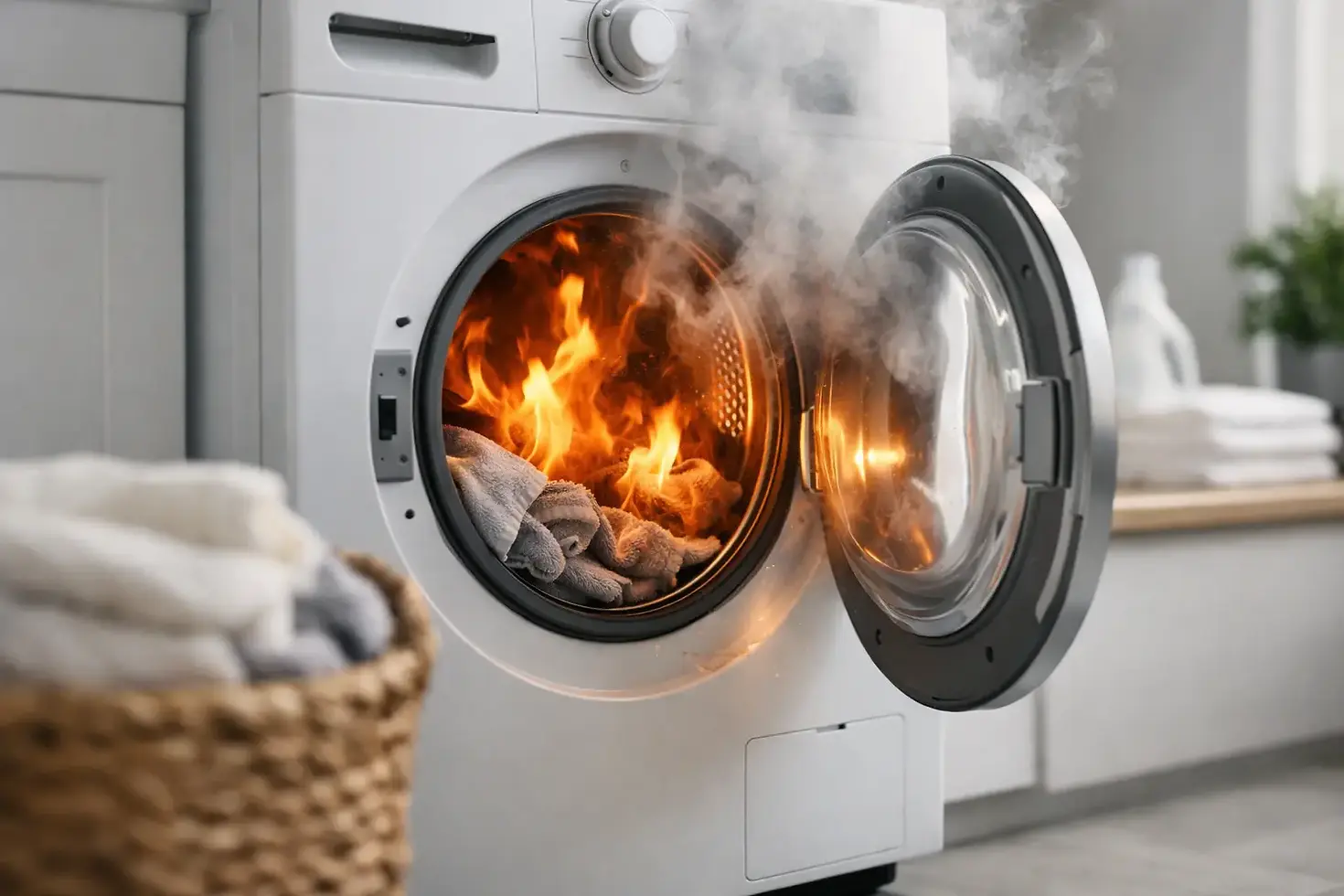
If the dryer is giving off a burning smell, smoke, or sparking, stop the cycle immediately. Turn it off, unplug it if it is safe to do so, and do not run another load until the problem has been identified. For a gas dryer, shut off the gas supply if you smell gas and contact a qualified professional.
The Most Common Dryer Overheating Causes
A clogged dryer vent is restricting airflow
A blocked vent is one of the most common reasons a dryer overheats. Your dryer depends on a clear path to send hot, damp air outside. When lint builds up in the vent pipe or exterior vent hood, the dryer has to work harder to push air through. Heat remains inside the appliance instead of leaving the home as intended.
Longer dry times are often the first clue. You may also notice that the laundry room feels warmer than usual, clothes come out very hot, or the exterior vent flap barely opens while the dryer is running. These are signs that airflow needs attention.
Lint can collect in more places than the screen. It builds up inside the vent connection behind the dryer, along turns in the ductwork, and at the vent cap outside. Homes with long vent runs, multiple bends, or dryers located away from an exterior wall may need cleaning more often.
The lint screen or lint screen housing is dirty
Cleaning the lint screen after every load is a simple habit with a major payoff. Even when the screen looks clear, residue from dryer sheets and fabric softener can create a nearly invisible film that slows airflow. Wash the screen occasionally with warm water, a soft brush, and mild dish soap, then let it dry fully before replacing it.
Lint can also get past the screen and collect in the housing below it. If the screen is clean but airflow still seems weak, there may be a deeper buildup that needs professional cleaning. Reaching into the housing with sharp tools or taking apart the dryer without experience can damage internal parts, so this is usually not the best DIY project.
A crushed or poorly installed vent hose is trapping heat
The flexible duct behind a dryer can get kinked or crushed when the appliance is pushed too close to the wall. This is especially common after moving, painting, flooring work, or a new appliance installation. A pinched hose can restrict airflow just as severely as lint buildup.
Thin plastic or foil-style vent hoses are also more likely to sag, tear, and collect lint. A properly sized metal duct provides a smoother, more durable path for exhaust air. The right setup depends on the layout of the home, but the goal is always the same: a short, secure route to the outdoors with as few bends as practical.
The dryer is overloaded or items are too heavy
An overfilled dryer does not leave enough room for clothes to tumble and air to circulate. Large comforters, towels, bedding, and dense loads can retain heat and take much longer to dry. The dryer may appear to be malfunctioning when the load itself is the main issue.
Try separating heavy items from lighter clothing and drying large bedding in smaller loads. Clean towels may feel hot at the end of a normal cycle, but they should not have a scorched smell or come out with unusually damaged fibers. If overheating continues with a smaller, ordinary load, look beyond load size.
Internal components are not regulating heat correctly
A dryer uses thermostats, sensors, heating elements, and safety switches to control temperature. When one of these parts fails, the dryer may heat continuously, run hotter than it should, or shut down unexpectedly. An electric dryer can overheat if its heating element shorts or remains energized when it should cycle off.
These repairs require more than replacing a vent hose. The dryer must be opened, tested, and repaired using the correct parts and procedures. Because the work involves electrical connections, high heat, and sometimes gas lines, it is best handled by a qualified appliance repair professional.
The blower wheel or exhaust system has a problem
The blower wheel moves hot air from the drum into the vent system. If it is loose, damaged, clogged with lint, or obstructed by a small object, airflow can drop significantly. A damaged blower wheel may also cause rattling, thumping, or a change in the dryer’s usual sound.
Outdoor vent covers deserve attention, too. Birds’ nests, landscaping debris, stuck louvers, and pest screens can block the exit point. The vent cover should open freely while the dryer is operating and close afterward. Never cover an exterior dryer vent or use a screen that can trap lint.
Warning Signs You Should Not Ignore
A dryer can be warm during normal use, especially around the door and exhaust area. What is not normal is excessive heat paired with poor performance. Pay attention if your dryer takes more than one cycle to dry a standard load, shuts off before clothes are dry, leaves clothes extremely hot, or produces a burning odor.
Other red flags include a hot laundry room, visible lint around the dryer, little air coming from the outdoor vent, or a vent hose that feels unusually hot. If you see scorched marks on clothing, smell melting plastic, or notice smoke, stop using the dryer right away. Continuing to run it can make a minor airflow problem much more dangerous.
What You Can Safely Check at Home
Start with the basics. Remove lint from the screen before each load, inspect the visible vent hose for crushing or disconnection, and look at the exterior vent cover while the dryer is running. You should feel a steady flow of warm air outside. Weak airflow points to a blockage, a duct issue, or a blower problem.
Also pull the dryer away from the wall enough to make sure it is not pressing on the vent connection. Do not use the dryer with a disconnected vent hose, even temporarily. Hot, moist exhaust released into the home can lead to lint buildup, excess humidity, and heat damage.
Avoid trying to solve an overheating issue by repeatedly resetting breakers, bypassing safety switches, or running the dryer on a lower heat setting. A lower setting may mask the symptom, but it does not remove the obstruction or repair a failing component.
When Professional Dryer Vent Cleaning Makes Sense
Professional dryer vent cleaning is a practical choice when the vent run is long, hidden behind walls, routed through an attic or crawl space, or has not been cleaned in a year or more. It is also worthwhile after a remodel, a move, or any period when the dryer has taken noticeably longer to dry clothes.
For homeowners in Charlotte and nearby communities, Bird Home Services can help address dryer vent buildup and visible vent connection issues with straightforward, dependable service. If an appliance component is failing, the next step may be an appliance repair technician, but restoring proper vent airflow often resolves the issue before a bigger repair is needed.
A dryer should make laundry easier, not leave you wondering whether it is safe to run another load. Treat unusual heat as an early maintenance signal, and you can keep your laundry routine efficient while giving your home a safer place to operate.


Comments